Therapy helps people rebuild after setbacks by providing a safe, supportive space to be vulnerable and process difficult experiences, whether it’s anxiety, burnout, trauma, or major life transitions. A trained therapist can help you understand your story, explore how stress or pain has shaped your thoughts, emotions, and behaviours, and support you in reconnecting with your strengths. Through insight, gentle reframing of the unhelpful beliefs we all carry, and the development of practical coping tools, therapy fosters long-term emotional resilience, clarity, and a renewed sense of purpose.
Years ago, I became very sick — sick enough that I could no longer work. There were days when it felt like I had nothing left to lose, as though my identity and sense of purpose had been stripped away. On those days, even finding one thing to be grateful for felt impossible. It’s easy to get stuck in that place, spinning and spiraling in the mud, focusing on what you haven’t done or what you think you should be doing, but that mindset only pulls you deeper.
Eventually, I learned to celebrate small victories. At first, it felt ridiculous to consider something as simple as getting out of bed an accomplishment. But starting small was exactly what I needed. That one small win became hope, the belief that I could take the next small step, and then the next. Over time, these tiny victories added up, and I began to live my life again.
Looking back, I don’t see the person I once thought I was — defeated, powerless, or stuck. I see someone who chose to make a change, to focus on small steps and celebrate them, to acknowledge that life happens to all of us, and despite circumstances beyond my control, I chose resilience.
3 Grounding Strategies You Can Try Today
1. The 5-4-3-2-1 Grounding Technique
Pause and notice: 5 things you see, 4 things you can touch, 3 things you hear, 2 things you smell, 1 thing you taste.
What I love about this technique is that it can be used anytime, anywhere — and no one around you will even know you’re doing it! It helps shift your focus from internal overwhelm to the present moment, calming anxiety or panic and gently bringing you back into the here and now.
2. Box Breathing
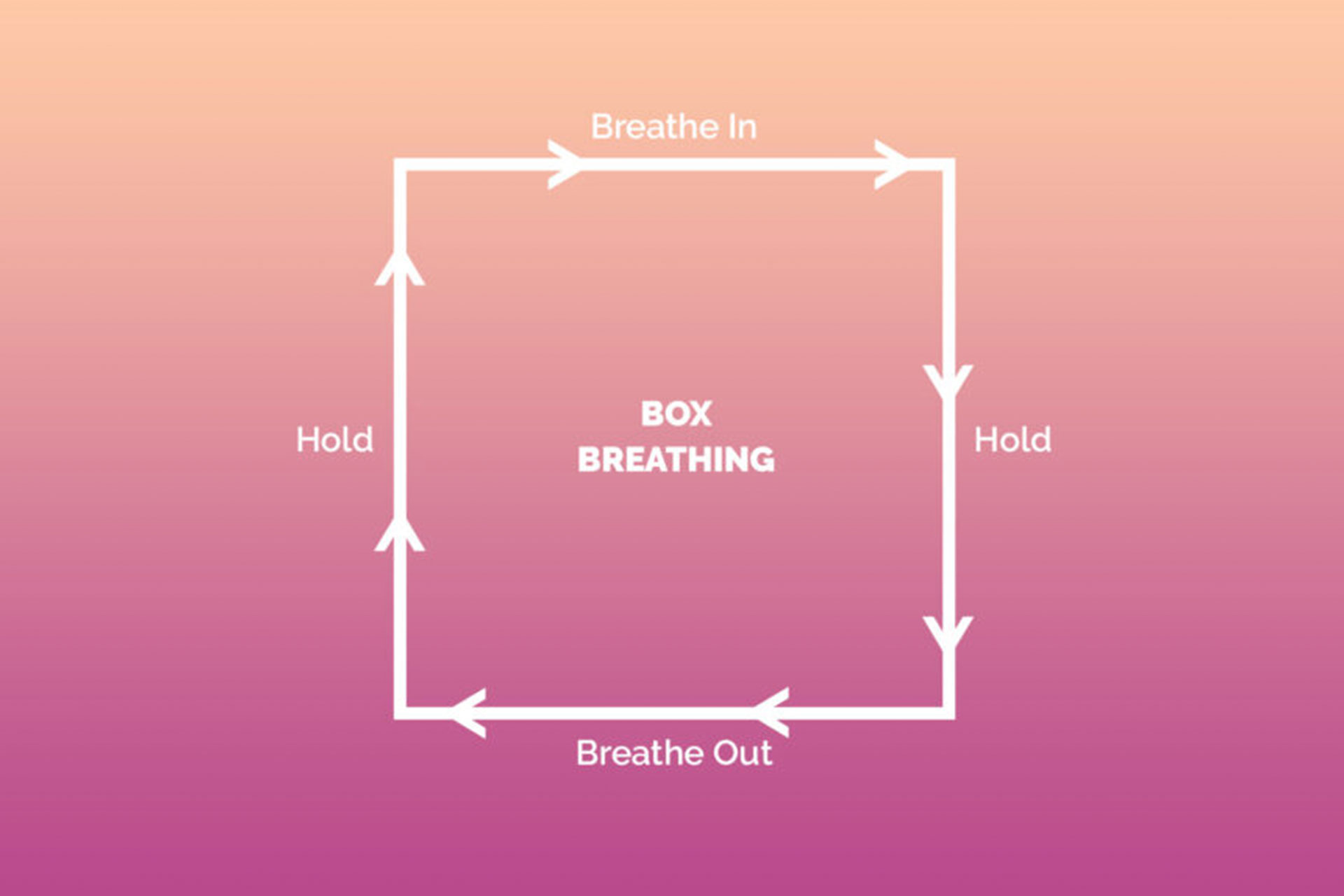
Try inhaling for 4 seconds, holding for 4 seconds, exhaling for 4 seconds, then holding for 4 seconds again, and repeat. If 4 seconds feels too long or too short, simply adjust the timing to whatever pace feels more comfortable for you.
When you slow and control your breathing, you’re not just “pretending to relax.” You’re actually tapping into your body’s nervous-system wiring. Slow, intentional breathing activates the part of the nervous system that counteracts the stress response. Over time, especially with consistent practice, this can help lower stress levels, reduce anxiety, improve mood and emotional regulation, and even support better sleep, focus, and overall resilience.
3. Daily Gratitude
Each day, write down 1–3 things you’re thankful for. This could include small wins, moments of comfort, something that made you laugh, or glimpses of hope Practices rooted in appreciation have been linked with reduced emotional distress and increased positive emotions, self-awareness, and a deeper sense of meaning in life. This practice can be especially grounding on tough days — giving you something to look back on and reminding you of what has been going well. It becomes a gentle reminder of your strengths, your progress, and the moments of goodness that still exist alongside the hard ones.